Event formats are no longer defined by tradition alone. They are being actively reshaped by broader lifestyle and social trends that influence how people gather, connect, and spend their time. As we move through spring 2026, one thing is clear: events are starting to look and feel much more like real life.
From Structured Agendas to Social Flow
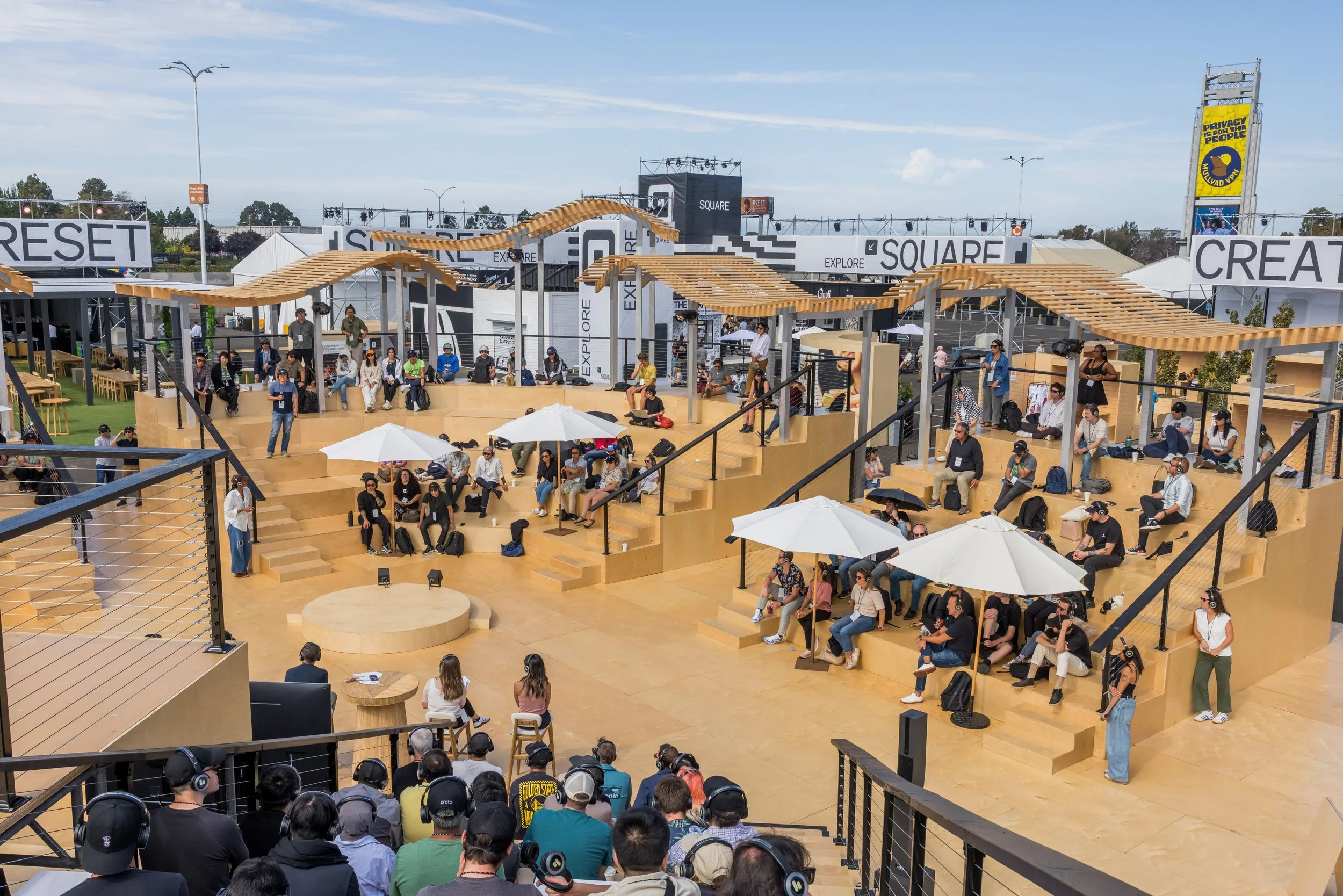
Attendees are gravitating toward experiences that feel natural and flexible rather than rigidly programmed. Instead of tightly scheduled timelines, events are embracing a more fluid structure that allows guests to explore, interact, and engage on their own terms.
This shift reflects how people socialize outside of events. They move between conversations, discover moments organically, and value environments that support connection without forcing it.
The Rise of Drink-Focused and Non-Alcoholic Experiences
One of the most visible changes is happening around beverage culture. Drinking experiences are becoming more intentional, more creative, and more inclusive.
Non-alcoholic options are no longer an afterthought. They are being designed with the same level of care as traditional cocktails, often becoming a focal point of the experience.
Thoughtfully crafted mocktails, functional beverages, and wellness-driven drink menus are giving attendees more ways to participate without feeling excluded.
At the same time, drink-focused moments are becoming social anchors within events. Bars are no longer just service points; they are gathering spaces where interaction naturally happens.
Interactive Stations Are Replacing Passive Consumption
Another key shift is the move toward interactivity. Guests are no longer content with simply being served. They want to participate.
Interactive stations, from cocktail bars to customization experiences, are transforming how people engage with both food and beverage. Whether it is building a drink, personalizing a dish, or creating something unique, these moments turn attendees into active participants rather than passive consumers.
This type of engagement creates a stronger sense of ownership and makes the experience more memorable.
Casual and Elevated Are Blending Together
The traditional divide between formal and casual events is fading. Today’s gatherings are blending the two in ways that feel more reflective of modern lifestyles.
Guests might experience high-end design paired with relaxed seating, or refined culinary elements presented in an approachable, social format. This balance allows events to feel polished without being rigid, and elevated without being intimidating.
The result is an environment that feels both intentional and comfortable, where guests can engage authentically without having to navigate strict expectations.
What This Means for Event Design
These shifts point to a broader transformation in how events are being designed. They are becoming more social, more flexible, and more aligned with everyday lifestyle behaviors.
For planners and brands, this means rethinking the role of the event itself. It is less about delivering a fixed program and more about creating a space where people can connect, explore, and shape their own experience.
Designing with this mindset requires a deeper understanding of how people interact, what they value, and how they want to feel when they gather.
Looking Ahead
As lifestyle trends continue to evolve, event formats will follow. The most successful events will be those that feel intuitive, adaptable, and rooted in how people actually live.
Rather than separating events from everyday life, the future is about bringing them closer together. When that happens, events become more than just occasions. They become extensions of how people already connect and experience the world.
Ready to bring your vision to life? Contact us today to start planning your next event.
