
Experience Design Is Becoming Sensory + Immersive
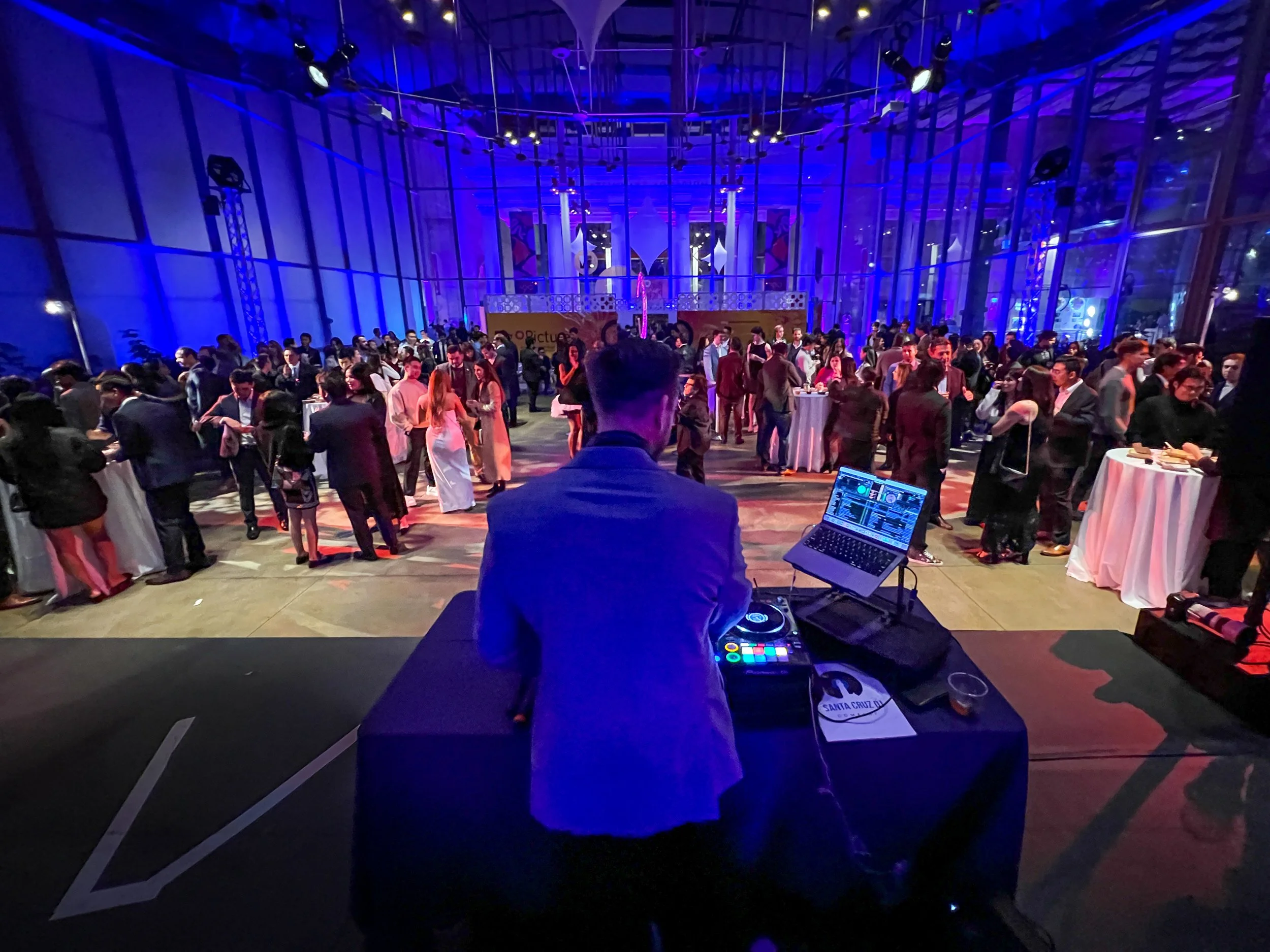
For years, experience design in events centered primarily on what people could see. Visual branding, stage design, signage, and aesthetics carried the weight of storytelling. However, that approach is no longer enough. Today’s audiences expect something deeper, something that engages them beyond a single sense. The shift is clear: experience design is becoming fully sensory and immersive.
Beyond Visuals: Designing for the Whole Human Experience
Modern events are moving away from passive observation and toward active participation. Attendees are no longer satisfied with simply watching a presentation or walking through a well-designed space. They want to feel something, they want to be transported into a different “universe.”
This shift has pushed planners and brands to think more holistically about how an environment is experienced. Sight is just one piece of the equation. Sound, texture, scent, and even taste are now essential tools in crafting memorable moments.
Our A Century in Motion activation for a Toroni is a strong example of this. Across a San Francisco pop-up and a four-city mobile tour, guests were invited to do more than observe the brand. They could taste the product, interact with ambassadors, move through branded environments, and engage with the story in a way that felt active and approachable.
Each stop looked different, from parks and campuses to plazas and retail spaces, but the feeling stayed consistent. The experience worked because it was designed for the whole human experience, not just the photo moment.
Technology as an Enabler of Immersion
Emerging technologies are accelerating this transformation. AR and VR are no longer novelty features; they are becoming integrated layers within the event journey. These tools allow attendees to step into a story rather than observe it from the outside.
Lighting design has also evolved into a narrative device. It sets the tone, guides movement, and subtly influences emotion throughout a space. Soundscapes, whether through curated playlists or ambient audio design, create atmosphere and reinforce brand identity in ways visuals alone cannot.
Together, these elements build environments that feel intentional and alive rather than staged.
The Rise of Tactile and Physical Engagement
One of the most noticeable shifts is the return to physicality. In a world that has become increasingly digital, people are craving tangible experiences. Materials, textures, and interactive installations are being used to create a sense of connection and presence.
Touch is becoming a powerful way to anchor an experience in memory. It adds depth and authenticity that cannot be replicated through screens.
At corporate events, this can show up through interactive build stations, tactile workshops, or even hands-on cocktail and culinary experiences where attendees actively participate rather than observe. These moments create a stronger emotional imprint because they engage more than just sight and sound.
Food as Storytelling, Not Just Service
Perhaps the most compelling evolution is happening in how food is being used within events. What was once considered a logistical necessity is now a strategic storytelling tool.
Food is no longer just catering. It is becoming a core part of the narrative and emotional journey. Flavor, presentation, texture, and even scent are being intentionally designed to reflect a brand’s identity and message.
A strong example of this is the Celebration of Event Mastery, where Culinary Eye designed the menu to align with the experience and the artistic influence of MoMA, such as the Kusama Inspired Cocktail. Each element of the food was thoughtfully curated to reflect the environment, creating a cohesive connection between the culinary experience and the overall event narrative.
Creating Emotional Resonance Through the Senses
The ultimate goal of sensory experience design is not just engagement, but emotional connection. When multiple senses are activated at once, experiences become more memorable and meaningful.
A carefully layered environment can influence how people feel, how long they stay, and what they remember afterward. It turns an event from something attendees simply attend into something they genuinely experience. As the industry continues to evolve, events are beginning to trend toward transformation, where the goal is not just to create a memorable experience, but to leave a lasting impact on how attendees think, feel, or act. While we are not fully there yet, this shift is on the horizon as the next phase beyond experience design.
What This Means for the Future of Events
As expectations continue to evolve, brands and planners will need to think beyond traditional formats. Designing for multiple senses is no longer a differentiator; it is quickly becoming the standard.
The most impactful events moving forward will be those that create cohesive, multi-sensory journeys. Every detail, from lighting and sound to texture and taste, will need to work together to tell a unified story.
Experience design is no longer about what people see. It is about what they feel, remember, and carry with them long after the event ends.
Ready to bring your vision to life? Contact us today to start planning your next event: entireproductions.com/contact
