The smartest event strategy right now isn’t bigger
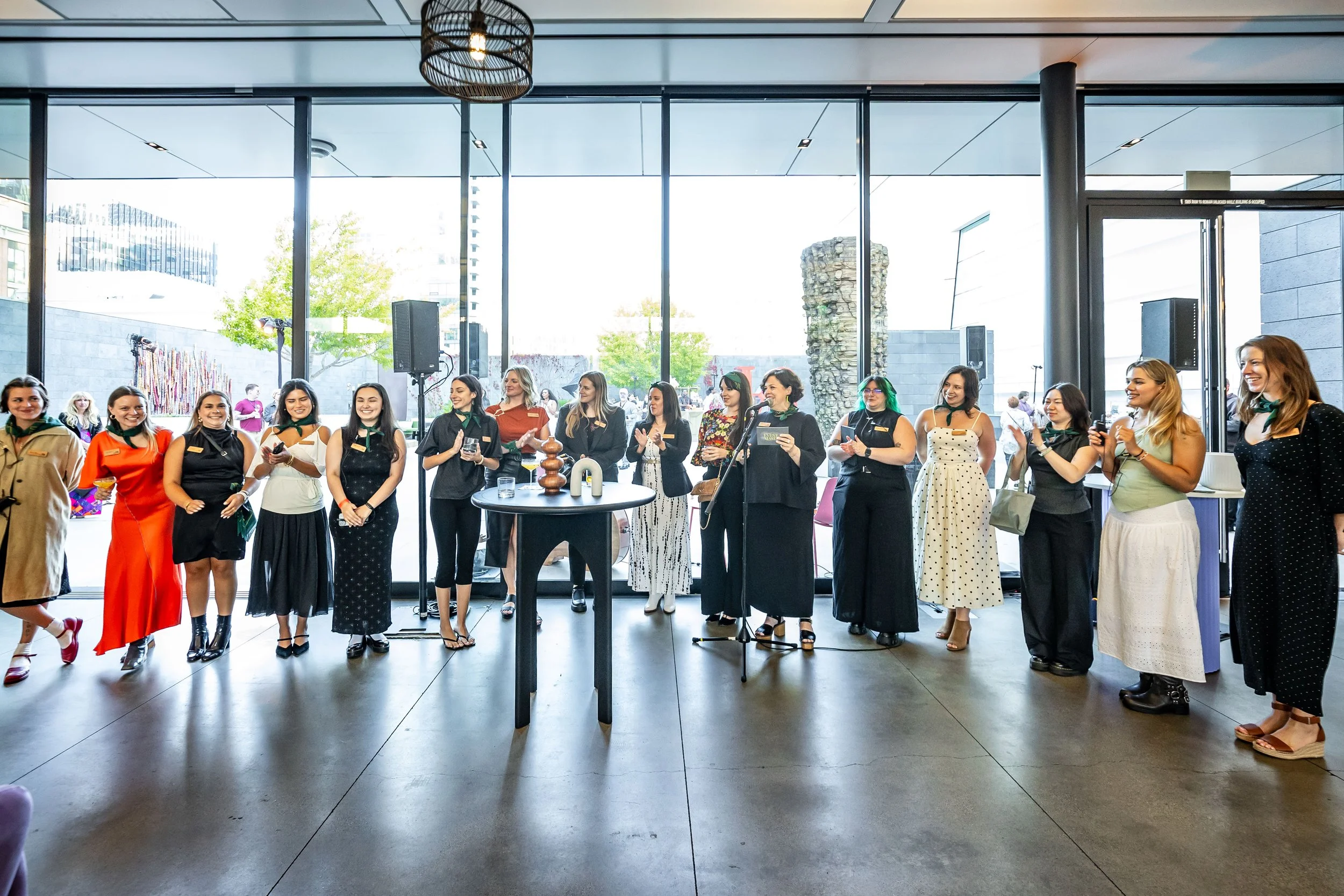
What if your highest-performing event this year only had 20 people in the room?
That’s not a trend, it’s a shift in how companies are thinking about value.
The traditional event model prioritized scale… more attendees, more reach, more visibility.
However, visibility doesn’t always translate to impact.
Today, the focus is sharper: intentional audiences + measurable outcomes. These days, people are craving personalization, intimacy, and feeling seen.
And it’s showing up in two major ways:
Smaller, high-impact micro-events
More advanced, outcome-driven ROI measurement
Micro-events: why smaller is outperforming larger formats
Micro-events aren’t just “scaled-down events.” They’re strategically designed environments built for depth, not volume. It gives attendees and the host time to network and truly learn more about each other.
Typically, 10–75 attendees, these experiences are curated with precision:
Specific industries or roles
Pre-qualified prospects or clients
Highly relevant content or shared objectives
Why they work:
1. Cognitive engagement increases in smaller groups
In large settings, attendees default to passive consumption. In smaller environments, participation becomes natural and expected.
“Smaller group settings promote higher levels of interactive engagement through increased participation and conversation among members.” RSC Publishing
2. Social dynamics shift
People are more likely to contribute, ask questions, and build trust when the room feels intimate.
3. Personalization becomes scalable
From tailored content to intentional seating, every touchpoint can reinforce relevance.
👉 Want to explore what a curated micro-event could look like for your audience? Let’s build one together.
ROI measurement: events are now performance channels
Events are no longer being evaluated on attendance or satisfaction alone.
They’re being measured like revenue-driving initiatives.
That means a shift from:
“How many people showed up?” to “What business outcomes did this influence?”
What’s changed:
Pre-event alignment
High-performing teams define success before planning begins:
Pipeline generated
Meetings booked
Deals influenced
Data integration
Event platforms, CRM systems, and marketing tools are connected, allowing teams to track the full attendee journey.
Post-event attribution
Follow-ups are structured and intentional, making it possible to tie conversations directly to revenue outcomes.
The real advantage: combining both strategies
Micro-events and ROI measurement aren’t separate trends. They amplify each other.
A smaller, curated audience is:
Easier to track
Easier to engage
Easier to convert
Example:
A private dinner with 15 decision-makers during a major conference
Pre-scheduled conversations
Personalized follow-ups
Direct pipeline impact within a defined timeframe
That level of clarity is much harder to achieve at scale.
Curious how to track ROI from your next event with clarity? Let’s map out the metrics that matter.
How to apply this without overhauling your strategy
Start with small, intentional shifts:
Identify high-value audience segments worth deeper engagement
Pilot one micro-event alongside a larger initiative
Define 2–3 measurable outcomes tied to business goals
Align sales and marketing on post-event follow-up before the event happens
What Now?
The question is no longer: “How big should this event be?”
It’s: “How effective can this experience become?”
Smaller formats create space for meaningful interaction. Clear measurement connects those interactions to real outcomes.
And together, they turn events into something far more powerful than moments…
They turn them into momentum.
Stay connected
Sign up for our newsletter to stay ahead of insights like this, and never miss updates on how events, experiences, and destination strategy are evolving.
