Building Stronger RFPs and Vendor Partnerships
Insights From the ILEA Rising Star Panel
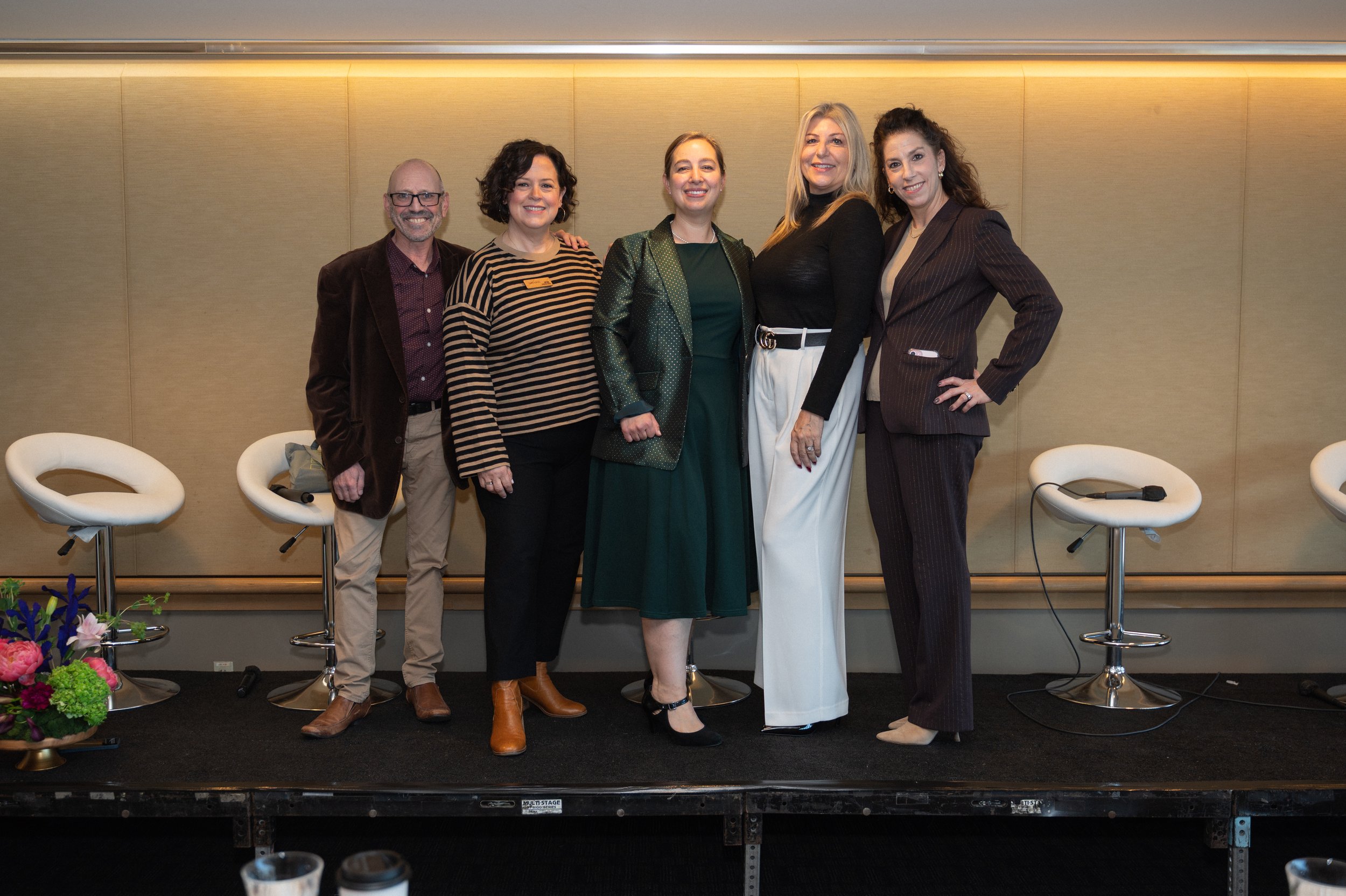
Photography: Nat Visualz
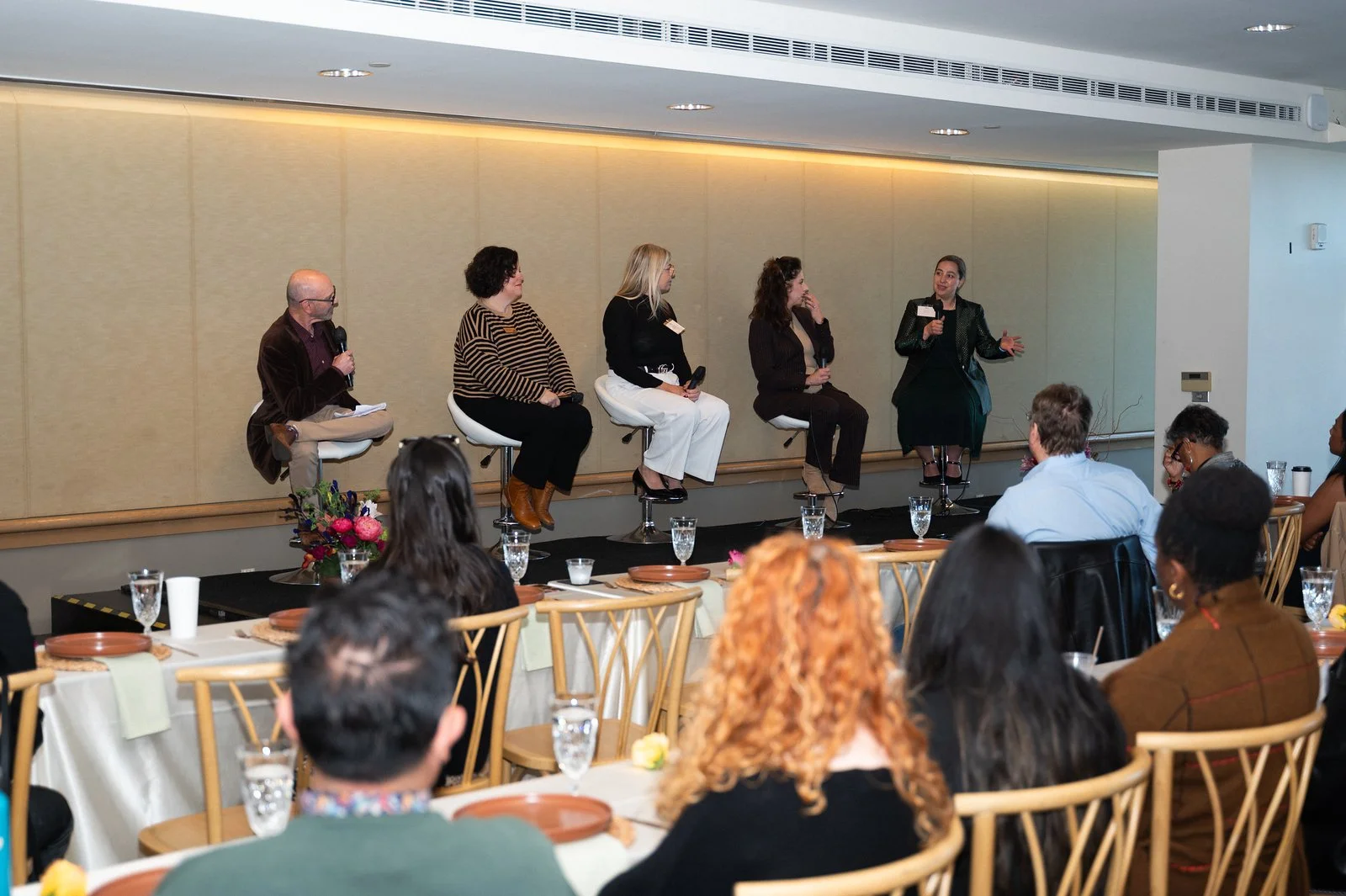
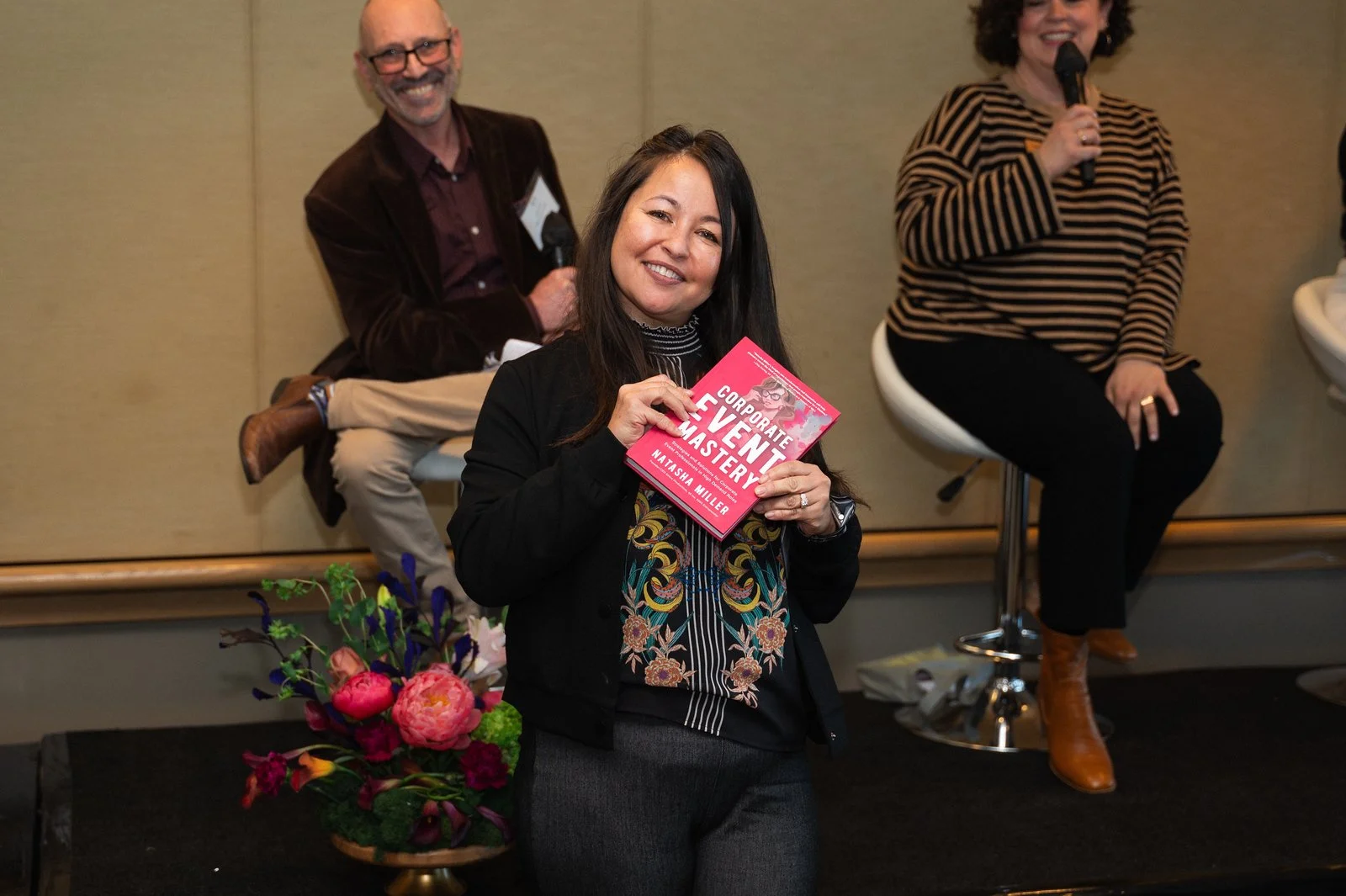
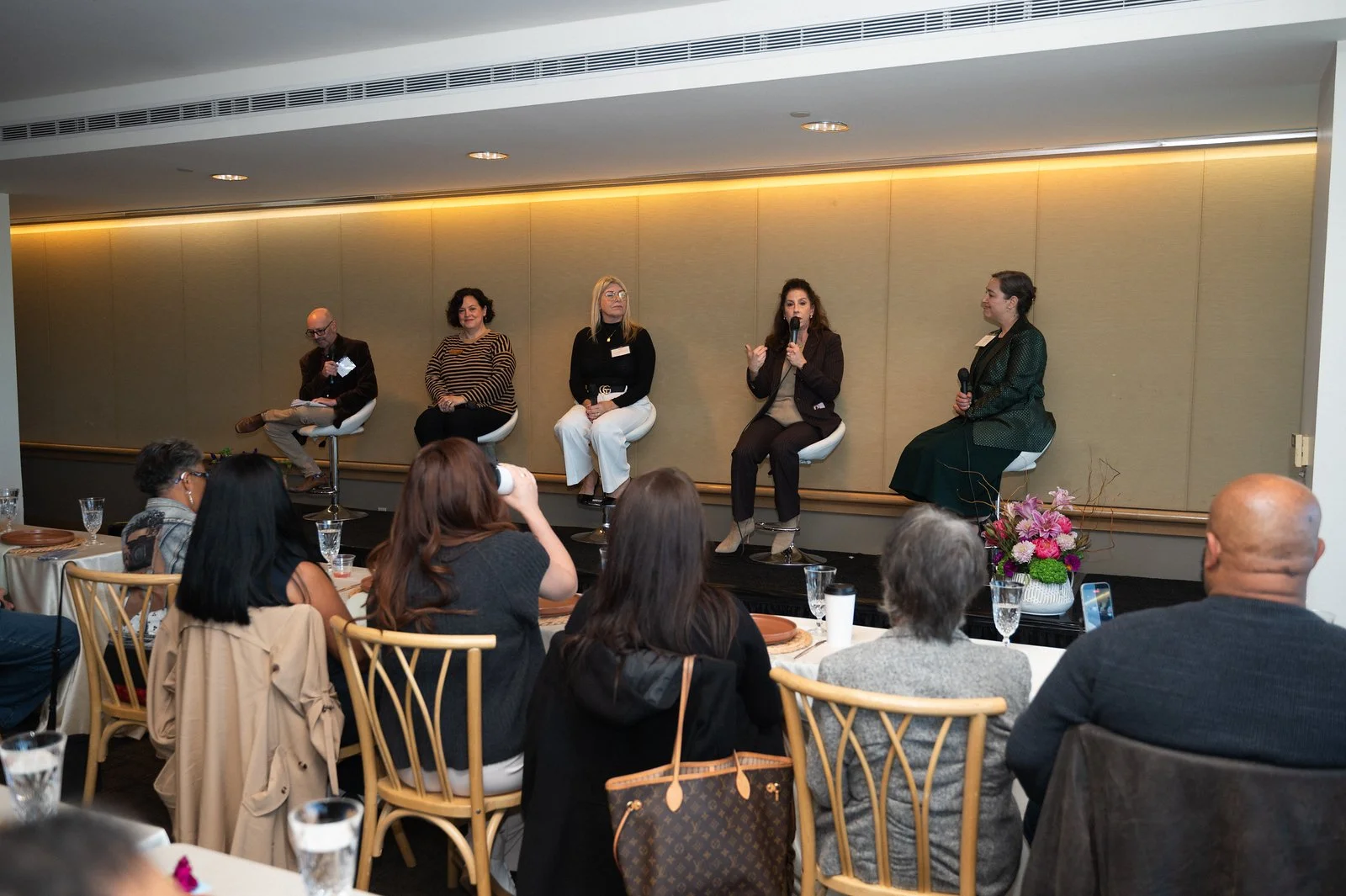
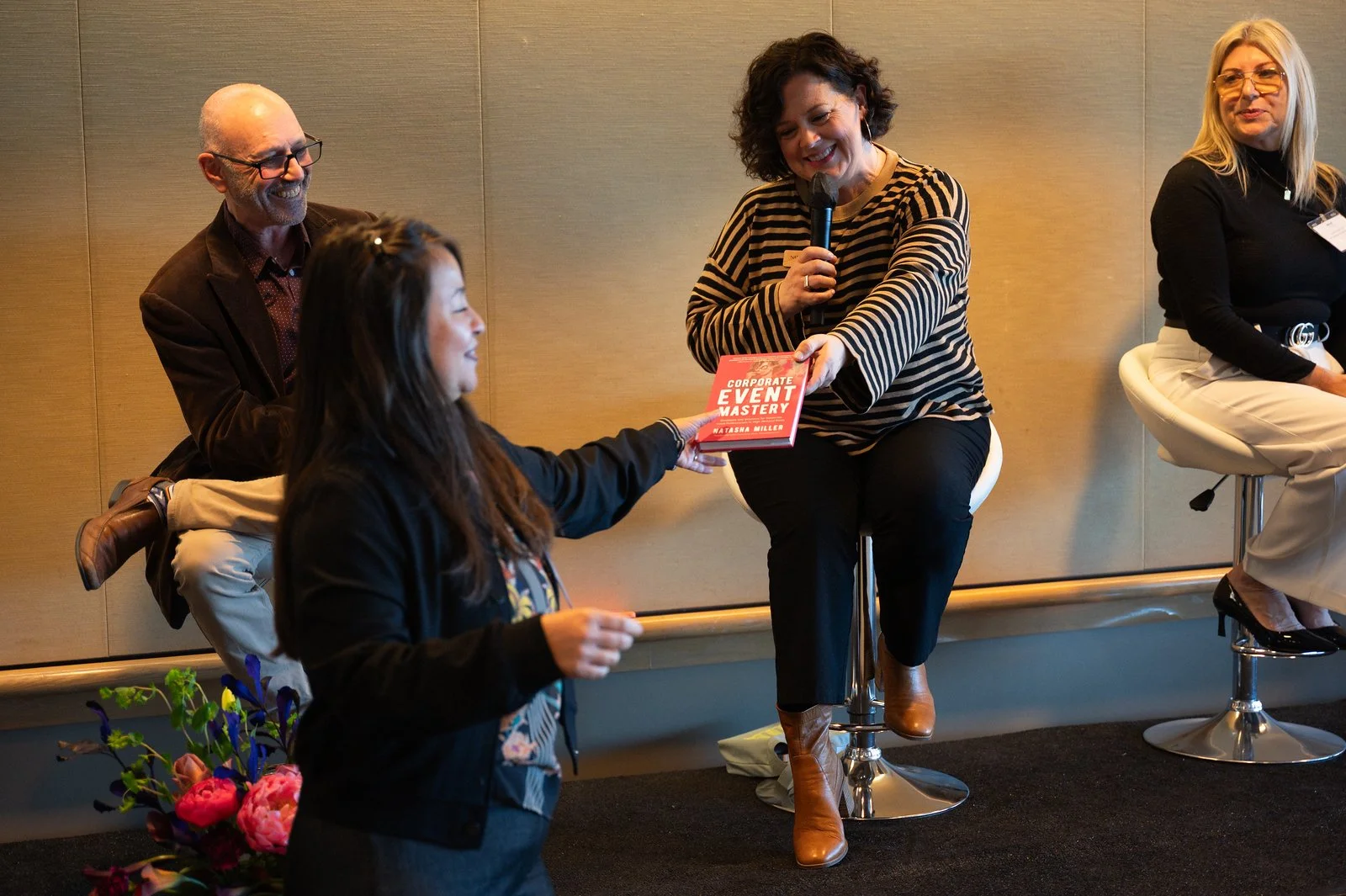
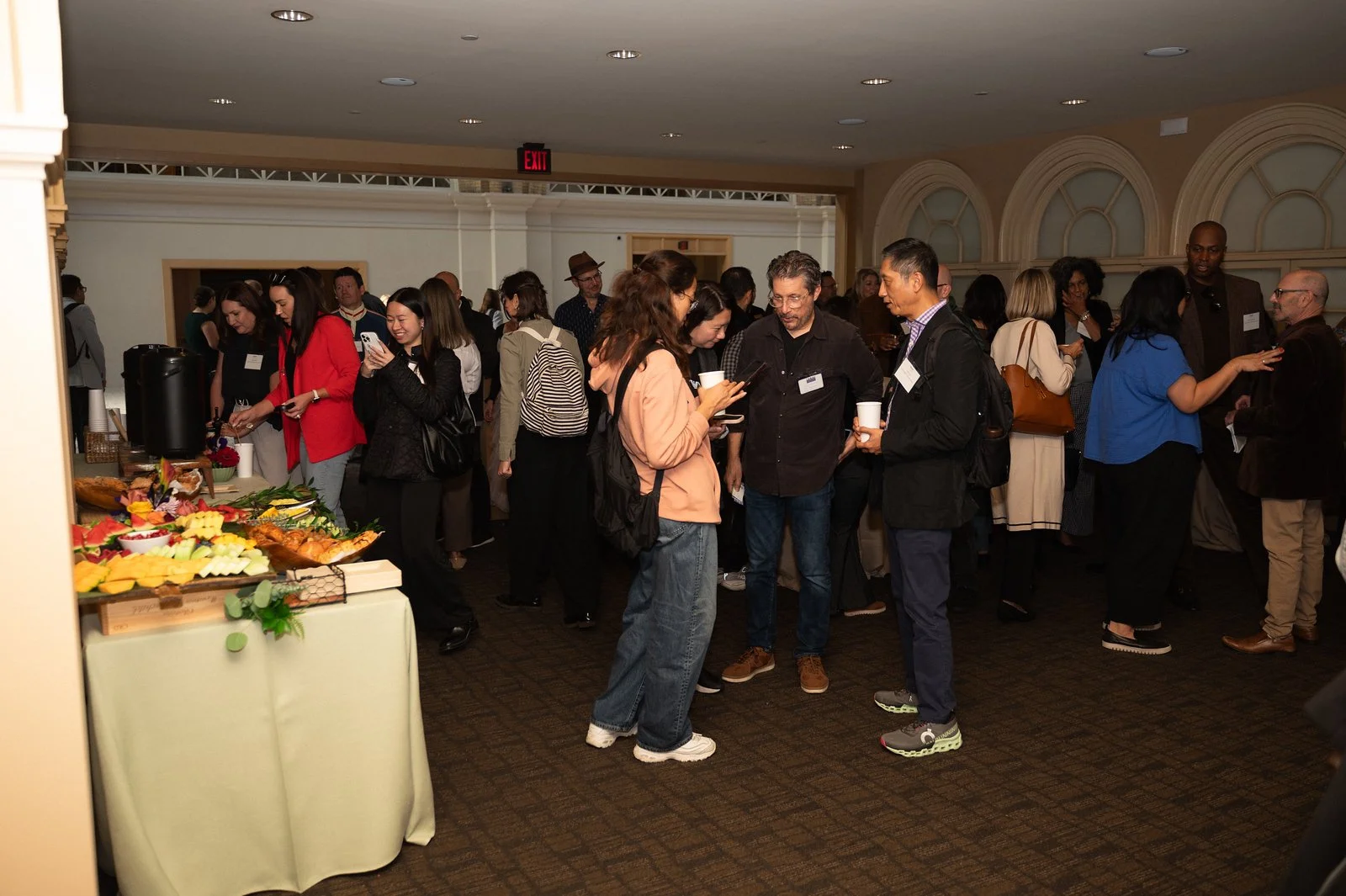
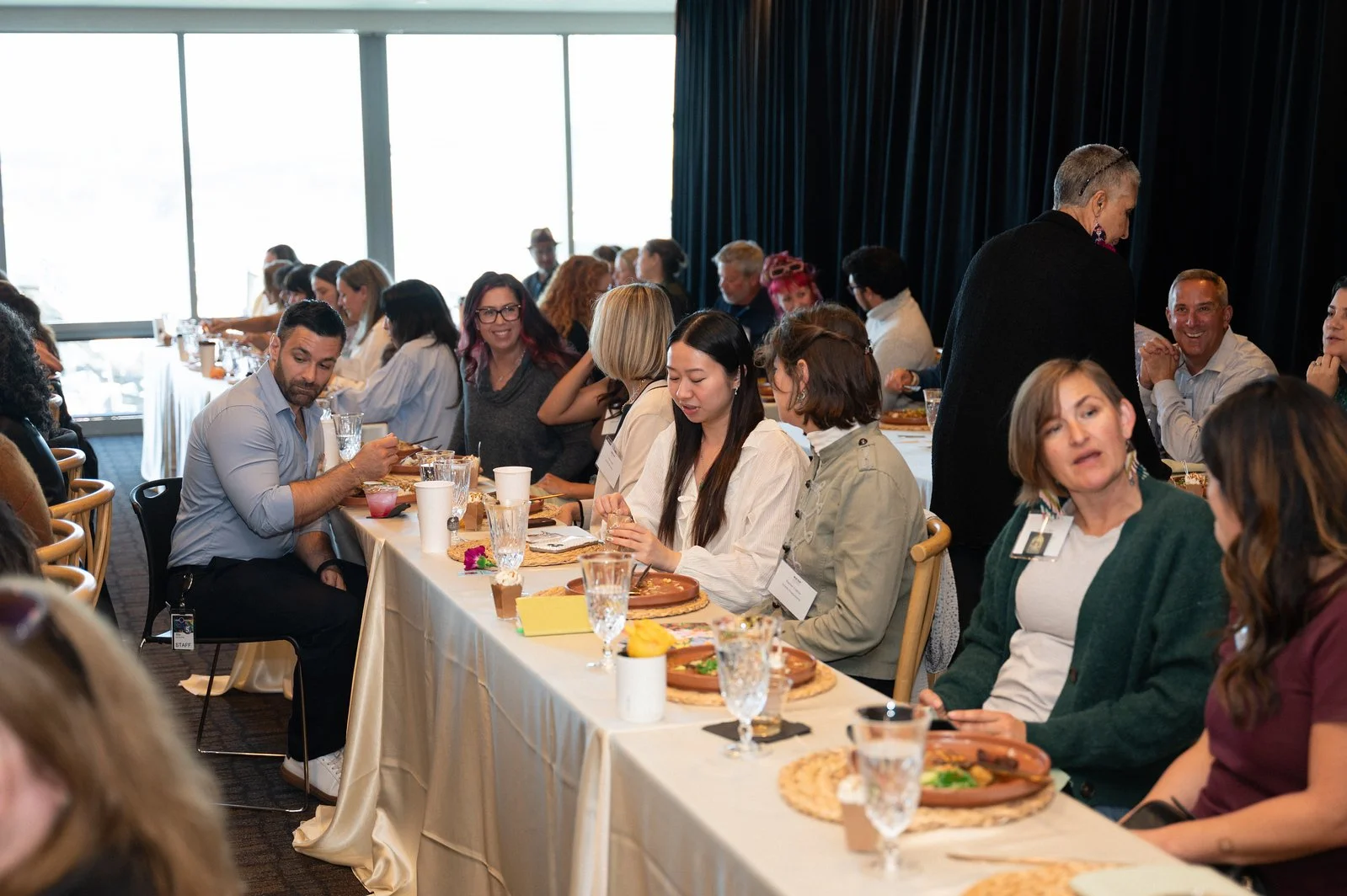
At a recent ILEA Rising Star panel, our CEO, Natasha Miller, shared practical strategies that every event professional can use to elevate their proposals, strengthen vendor relationships, and deliver experiences that truly resonate with clients. Whether you work in production, planning, or venue management, these takeaways offer simple but powerful ways to improve your entire process.
1. Bring Substance Into Your RFPs
A strong RFP begins with clarity. Your clients should be able to find every major element of their request without having to dig for it. That means organizing the proposal in a structure that guides them step by step through objectives, deliverables, timelines, and creative direction.
Think of it as showing them where everything lives. The easier it is for a client to follow, the more confident they feel moving forward with your team.
2. Keep Your Storytelling Authentic
Storytelling came up repeatedly during the panel. What makes a proposal stand out is the way it reflects the client’s vision, priorities, and personality. When you highlight the best parts of their request and reflect them back to them, the proposal feels custom and intentional.
This requires gathering as much information as possible at the earliest opportunity. The more insight you have, the more tailored and meaningful your recommendations become.
3. Strengthen Your Vendor Communication
Vendor relationships are the backbone of a successful event. A few standout reminders from the panel:
Make sure each vendor understands the venue’s rules and regulations
Ensure vendors commit to cleaning up after themselves
Keep all staff informed about site guidelines
Simple preparation helps avoid last-minute stress and helps maintain smooth operations on event day.
4. Prioritize Transparency With Clients
Clients value clarity, especially around vendor pricing and expectations. Sharing vendor budgets, timelines, and constraints builds trust and reduces surprises later.
This transparency also helps clients understand the rationale behind certain recommendations, leading to stronger buy-in and faster approvals.
5. Bring Vendors Into the Process Early
A great tip from the discussion was to invite vendors for a site visit whenever possible. It gives them critical context, allows them to flag challenges early, and encourages collaborative problem-solving.
This step is especially valuable when working with museums, historic buildings, or venues with strict access rules, such as The Exploratorium, City Hall, or DMC-managed properties.
6. Revisit Your Agreements and Opportunities
Master service agreements are essential, but they are also living documents. Review them regularly to ensure they reflect current rates, responsibilities, and branding expectations.
During the panel, there was also a strong focus on creating equitable access and improving opportunities for diverse vendors.
This creates stronger, more resilient partnerships and supports a healthier industry ecosystem.